
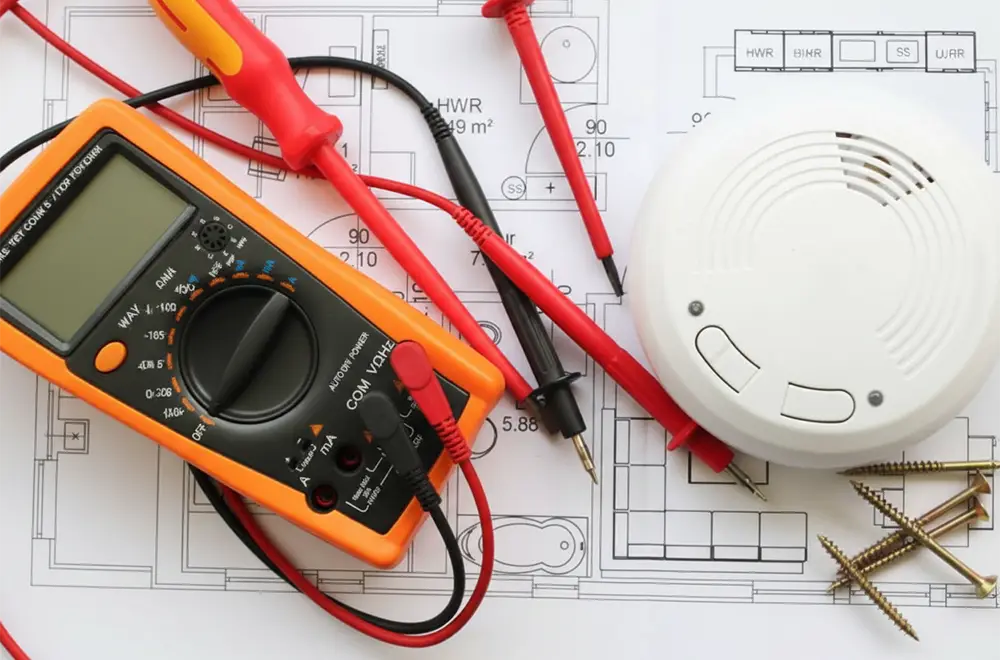
Have you ever submitted fire protection plans for permit review and received them back with comments, corrections, and red marks? You’ve experienced what the industry calls “redlining.” Reviewers carefully examine the fire protection system plans and flag any items that require clarification, correction, or additional documentation before approval. For contractors, designers, and project managers, those redlines often lead to more coordination, additional revisions, and delayed inspections. A solid fire protection plan review process helps prevent these setbacks. Every building, from a small commercial office to a large warehouse or residential facility, relies on accurate planning to protect occupants, equipment, and property from fire hazards. When the plans are clear, complete, and compliant the first time, projects move forward smoothly.
What It Means When Fire Protection Plans Get Redlined
When fire protection plans are redlined during review, it means a reviewer often from the local authority having jurisdiction (AHJ) has identified areas requiring correction before approval. These comments may highlight missing device locations on floor plans, unclear sprinkler system layouts, incomplete documentation, or inconsistencies between drawings and calculations. Redlining is not meant to punish contractors. It exists to protect life safety and ensure every fire protection system installed in a building performs correctly during an emergency. Reviewers check that the design addresses evacuation routes, egress paths, alarm systems, fire extinguishers, and other critical fire protection equipment needed to protect occupants and minimize hazards. The goal is a safer building environment in which the system operates as intended in the event of a fire.
Why Plan Reviews Are So Strict
Plan reviewers carry significant responsibility because fire protection systems directly affect life safety. When a sprinkler system, fire alarm, or evacuation system fails, the consequences can be catastrophic. That’s why reviewers evaluate fire protection system plans against recognized safety standards developed by organizations such as the National Fire Protection Association (NFPA) and enforced by local jurisdictions. These standards guide everything from system design and equipment placement to evacuation procedures and hazard reduction measures. Reviewers also verify that the system is appropriate for the building’s occupancy, construction type, and specific hazards. The strict process ensures that the fire protection plan supports reliable fire prevention, emergency response, and occupant safety.
Most Common Reasons Fire Protection Plans Get Redlined
Even experienced contractors occasionally run into redline comments during a fire protection plan review. Understanding these common issues can help teams strengthen their submissions before they ever reach a reviewer’s desk.
Complete Fire Sprinkler Plan Drawings
Reviewers often encounter missing sprinkler head locations, unclear pipe routing, incomplete riser diagrams, or device placements that are difficult to interpret on floor plans. If the drawings do not clearly show how the system protects every space, including exits, storage areas, hazardous material zones, and evacuation routes, reviewers must request clarification. This becomes even more important in complex environments such as commercial warehouses, server rooms, or facilities with combustible materials and unique fire risks. Clear documentation helps reviewers quickly verify the design and approve the fire protection plan without delay.
Missing or Incorrect Calculations
Hydraulic calculations are another major checkpoint. The numbers used to demonstrate system demand must match the drawings exactly. If the calculations show one sprinkler configuration while the plans show another, reviewers will immediately flag the discrepancy. Calculations must demonstrate that the sprinkler system can deliver the required water flow to protect the building’s occupancy and potential fire hazards. When these numbers are missing, outdated, or inconsistent with the design, the reviewer cannot confirm that the system will perform during an emergency. For this reason, contractors who verify their calculations carefully before submission avoid having their plans redlined.
Conflicts Between Trades
Fire protection rarely exists in isolation. The sprinkler system, alarm equipment, and emergency equipment must coexist with architectural elements, mechanical ductwork, electrical installations, and structural components. When these trades are not properly coordinated, reviewers notice quickly. For example, a sprinkler line may pass through the same space as HVAC ductwork, or fire alarm equipment might conflict with lighting fixtures or structural beams. These conflicts raise concerns about whether the system can actually be installed as designed. Cross-trade coordination is especially critical during construction projects where multiple teams are developing plans simultaneously.
Incorrect Code References
Using outdated or incorrect code references is another reason fire protection plans receive corrections. Different jurisdictions adopt different code editions, and the applicable standards can vary widely between cities and states. For example, a fire prevention plan developed for one jurisdiction may not meet the specific requirements of another Authority Having Jurisdiction (AHJ). Some regions also include additional guidelines related to evacuation, emergency access, or inspection procedures. Verifying which codes and standards apply to the project before submitting the plan ensures the documentation aligns with the correct regulatory framework and avoids unnecessary corrections during the review process.
How Redlined Plans Lead to Project Delays
When plans are returned with redline comments, the process rarely ends with a single revision. Contractors must address comments, update the drawings, revise documentation, and resubmit the plans for another review.
Resubmittal Review Cycles
Every time revised plans are submitted, they typically enter another review cycle. Depending on the jurisdiction and project workload, that review period may take days or even weeks. If additional corrections are identified, the process repeats. Over time, these cycles can significantly delay the project timeline, especially when other trades depend on the fire protection installation to move forward. Reducing redlines at the beginning helps prevent these repeated cycles and keeps the project on track.
Inspection and Permit Delays
Unresolved redlines can also delay permit issuance and prevent required inspections from moving forward. In many jurisdictions, permits cannot be approved until the plans meet all compliance requirements. Without approved plans, contractors cannot schedule the necessary inspection, which can delay final approval and occupancy.
How Contractors Can Avoid Redlined Fire Protection Plans
While redlines are common in plan review, many of the issues that trigger them are preventable. With the right preparation and coordination before submission, contractors can significantly reduce the chances of corrections and resubmittals.
Conduct Internal Plan Reviews
Before submitting any fire protection system plans, teams should perform an in-house review that compares drawings, hydraulic calculations, equipment lists, and supporting documents. This internal process catches inconsistencies early and confirms that the system design aligns with the building layout, occupancy classification, and hazard assessment. Contractors who carefully inspect their own documentation often discover small issues, such as mismatched sprinkler spacing, before a reviewer sees them.
Confirm Jurisdiction Requirements Before Submitting
Every Authority Having Jurisdiction has its own submission guidelines and expectations. Some jurisdictions require specific drawing formats, documentation standards, or additional information related to evacuation plans, emergency response procedures, or fire prevention plans. Reviewing these requirements before submitting the plan helps ensure the documentation meets local expectations and reduces the likelihood of corrections.
Use Professional Plan Review Support
Many contractors now rely on third-party engineering experts to review their plans before submission. A professional review adds another layer of verification, helping ensure the system design, calculations, and documentation align with code requirements and installation feasibility. This proactive step often reduces corrections, accelerates approvals, and helps contractors avoid costly resubmittals during construction projects.
How Green Tag Engineering Helps Reduce Plan Review Corrections
Accurate documentation and careful coordination are essential for successful fire protection plans, and that’s where expert support can make a difference. Green Tag Engineering works with contractors and project teams to review fire protection system plans before submission, helping identify potential compliance issues, coordination conflicts, and documentation gaps early in the process. By focusing on accuracy, code alignment, and thorough plan preparation, Green Tag helps clients submit more complete plans that move through review more smoothly. The result is fewer redlines, fewer resubmittals, and a clearer path toward permit approval, installation, and final inspection.
Fire Protection Plans FAQs
What does it mean when fire protection plans are redlined?
Redlined plans mean that a reviewer has marked corrections or comments on the submitted drawings and documentation. These notes highlight areas that require clarification, revision, or additional information to ensure the plans meet safety and compliance requirements.
Why do fire protection plans get rejected?
Plans are typically rejected due to incomplete drawings, calculation errors, coordination conflicts between trades, or incorrect code references.
How long does a plan resubmittal take?
The timeline varies by jurisdiction, but each resubmittal often restarts the review cycle. Depending on the reviewing agency’s workload, approvals may take several days or several weeks.
Who reviews fire protection plans for code compliance?
They are reviewed by local authorities such as municipal fire departments, building departments, or other designated Authorities Having Jurisdiction responsible for verifying fire safety and code compliance.